Nature & landscape
Hazlewood Marshes
Chris Dodd ·
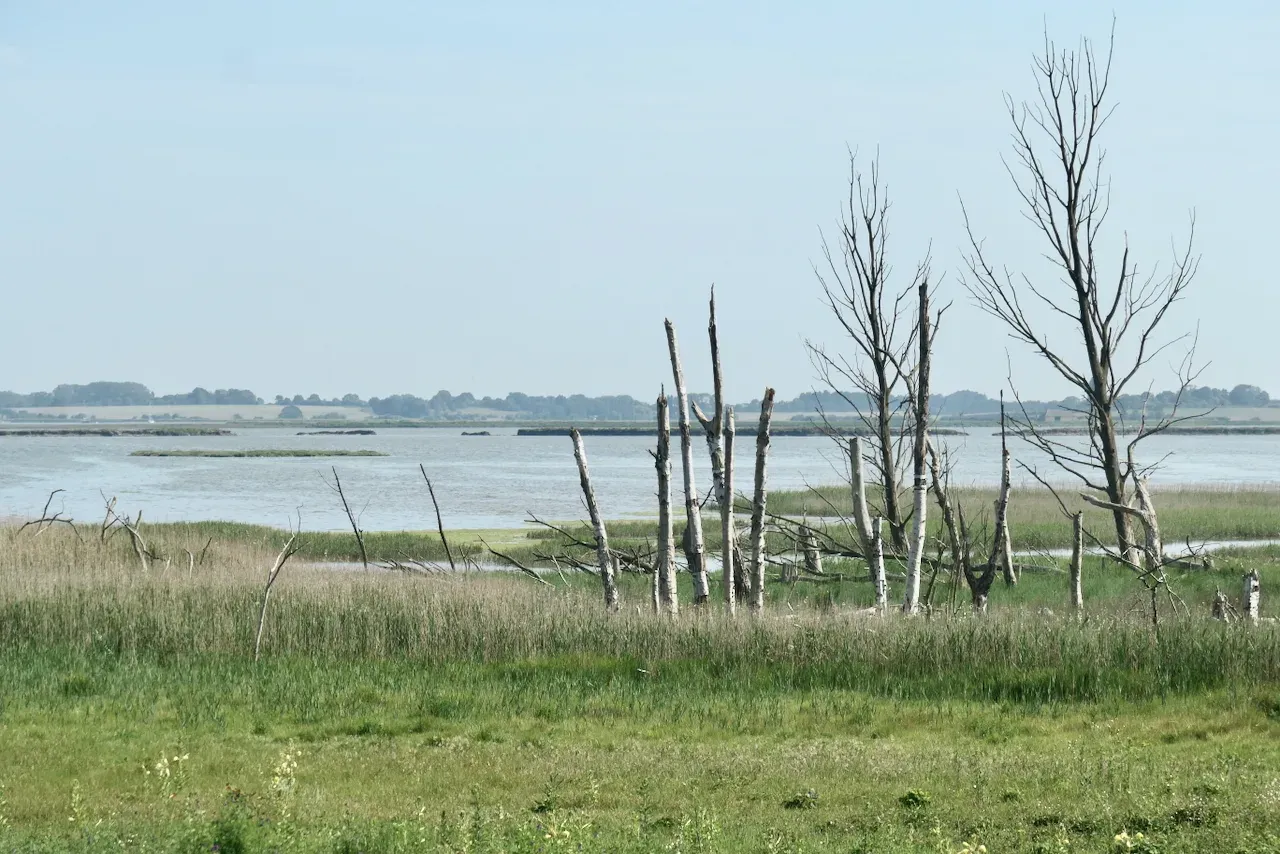
This 100-acres of tidal lagoon shows what may happen to stretches of our coast in the future, especially alongside our estuaries.
Over the years I have spent good days at these marshes. They are also one of the places in my chapter ‘Our Tilting Land’ in which I explored this part of the Suffolk coast. In that, I wanted to understand how this coast and its estuaries have changed in the past. Then, how with rising sea level, sinking land, and unusual weather patterns, this coast may change into the future. What plans are in place to respond to those changes?
These marshes sit beside the River Alde. They were once estuary, but centuries ago were drained and an embankment built to protect them for freshwater marshland grazing. But in the tidal surge of December 2013 the embankment was breached and the fields flooded to again become part of the estuary. How have this new saltmarsh and mudflat changed in the years since?
Now, in 2026, compared to five to ten years ago, the edge of the new tidal lagoon is simpler and more like the edge of an established salt marsh. The reedbeds that after the inundation, grew onto what had been meadow and woodland, are still there. In 2017/18 some hedge-bushes and taller trees were still struggling along beside the new, brackish tideline. Now they are all dead and mostly fallen, just a few still standing, like peeling, papery sentinels.
Flocks of waders, including avocets, can be seen out on the new, little islands, or feeding in the shallows, working their way in as the tide rises. Fish breed in the creeks and pools where not long ago were fields. This new saltmarsh and mudflat, once again part of the estuary, is continuing to evolve. The change is being monitored by the Suffolk Wildlife Trust who nurture this remarkable place.
I like visiting here on my own, when it’s quiet. Even on overcast, drizzly days. Not only to explore its wildlife but for a certain feeling, from its grey, muddy beauty, from the birds calling, and the tide lapping as it edges in, silvering the flats.
Comments
Leave a comment